 One thing I learnt while watching the documentary are some of the special features some animals and insects have. One of the first insects shown in the video, a tarantula. It talks about a "very small frog and a very large spider", specifically a dotted humming frog that, because a ground living reptile, ended up in a large tarantula's home. Usually once in range the spider will pounce on it's prey, but not this time. The hairs on the tarantula's legs were able to sense the harmful chemicals on the frogs skin, making it a potentially "dangerous meal".
Another thing I learnt was about these amazon river dolphins. Although most dolphins will live in salt water, these dolphins were able to adapt to the rivers "long ago". I learnt about the way they mate, which can be hard sometimes because they spend most of the year apart. When they do though, the male dolphin will start to toss a piece of driftwood around in the river, which has been said to "attract the female dolphins". The female dolphin will either leave and reject the dolphin is she is not interested or she will retrieve the piece of wood, and they will mate together.

The mata mata turtle will hide with it's "camouflaged body armour" in what we would think to be peaceful rivers. This specific turtle will hardly move to find it's prey, it will stay camouflaged and wait until a fish is close enough in reach and it will then use it's mouth as a vacuum and suck the fish in said to be "faster then the blink of an eye." It will stretch it's long neck to breath air through it's nose, which they use as snorkels.

Then there's the sloth, the animal we know for being slow and lazy. One thing I learnt about these animals is that it's actually pronounced slow-th. Another thing is that sloths will only come to the ground once a week, the rest of the week their up in trees eating or sleeping. Their also vegetarian, which means they only feed on leaves which is what makes the animals so lazy and slow. Surviving just on leaves provides barely any energy for the animals to move around. Leaves are also a hard food to digest which is what makes them so "lazy", sloths need to sleep to digest the food, even if it means them spending 18 hours a day sleeping and resting.
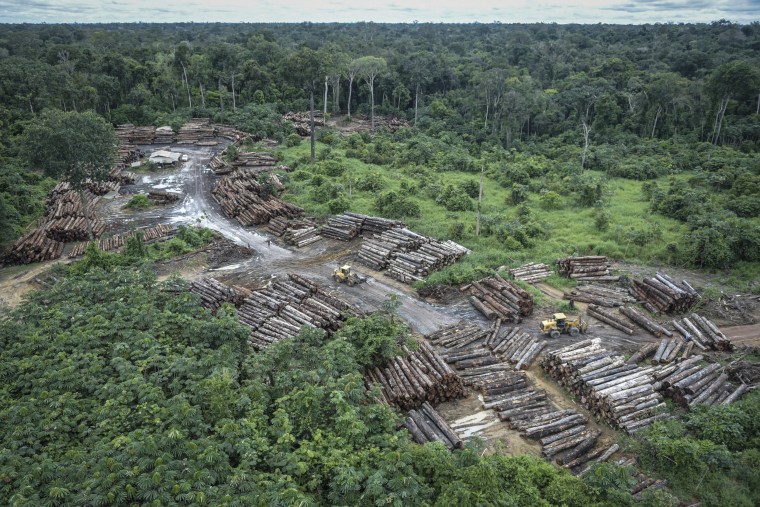
The amazon is a significant place on earth because it's home to so many animals and creatures on earth that we take for granted and which I think we don't even deserve. It's home to creatures that have been on this earth for way longer then we have been which makes it even more important, because who are we to take away their homes if they were actually here before us. Not to mention the indigenous tribes that live in these jungles which people are cutting down and destroying. It's significant simply because it's HOME to so many species that could go extinct if we don't do anything to help. Species that we could lose and regret losing. Deforestation and illegal logging go on at least everyday in the Amazon at a rate that WILL make the creatures in the Amazon suffer because of the short time they get to adapt to these changes. The documentary quotes that in the amazon "adaptation is key", but I believe time could also be what will make all the difference in the Amazon's future.
